Dental Care Tailored to You
Comprehensive dental care tailored to your needs, from prevention through to advanced restorative and cosmetic treatments.
Preventative Dentistry
Routine care to maintain long-term oral health and prevent dental problems.
Cosmetic Dentistry
Enhancing the appearance of your smile with aesthetic treatments such as Invisalign.
Restorative Dentistry
Treatments to repair and restore damaged or missing teeth.
Dental Implants
Long term solutions for replacing missing teeth.
Advanced Care
Advanced treatments including sedation and CBCT imaging.
Emergency Dentistry
Urgent care for dental pain, trauma, or sudden issues.
Periodontal Disease
Periodontal disease, is an inflammatory condition that affects the tissues surrounding your teeth. It can have a significant impact on your overall health, as it has been linked to systemic conditions such as diabetes, heart disease and dementia.
The early stage of gum disease is called gingivitis. If left untreated, gingivitis can progress to periodontitis, a more severe form of gum disease. This leads to the loss of bone and tissue supporting your teeth, which can cause teeth to become loose and, in severe cases, results in tooth loss.
What is Gingivitis ?
Gingivitis is the correct term for gum disease.
The first sign of gingivitis is the inflammation of the gingivae (gums), but with regular hygiene visits and good brushing and interdental cleaning this is reversible.
Symptoms of gingivitis include:
* Red, swollen gums
* Bleeding, or receding gums
* Bad breath (halitosis)
* Unpleasant taste in your mouth
Contact us to book your complimentary consultation, where we can discuss your treatment options and
our flexible payment plans, including 0% finance options.
Preventative Dentistry
Oral Health Care Assessments
At The Rectory Clinic we strongly believe in prevention, and regular oral health care assessments, a dental check-up, are an important part of maintaining good dental and overall health. These assessments also help prevent more serious problems from developing in the future.
During your oral health care assessment, we will thoroughly examine your teeth and gums to ensure they are healthy. We will also check for early signs of conditions that may be linked to other health issues, such as oral cancer, diabetes, and heart disease.
Regular assessments allow us to detect problems early, provide timely treatment, and give you personalised advice on how to maintain a healthy smile and support your overall well-being.
To help make preventive care more manageable, we also offer Denplan, a flexible payment plan that allows you to spread the cost of your oral health care assessment and routine GBT airflow hygiene appointments.
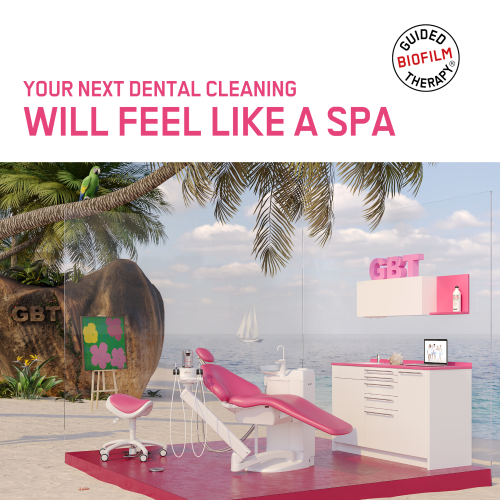
Your next hygiene visit can feel like a spa experience
Routine hygiene visits are essential for removing plaque and biofilm — the sticky layer of bacteria that forms on your teeth. Regular cleaning helps prevent gum disease, including gingivitis and periodontal disease, while also supporting your overall health. If left untreated, plaque and tartar can damage the bone and tissues that support your teeth, potentially leading to tooth loss.
We use Guided Biofilm Therapy (GBT) by EMS, a state-of-the-art airflow system that gently and precisely removes biofilm while protecting your enamel and soft tissues. GBT provides a thorough, comfortable clean, making it suitable even for patients with sensitive teeth.
This modern approach reflects our care for our patients’ oral health and our aim to make every visit as comfortable and effective as possible.
Gingivitis –The correct term for gum disease. The first signs of gingivitis is the inflammation of the gingivae (gums), but with regular hygiene visits and good brushing and interdental cleaning this is reversible.
Symptom’s include:
- Red, swollen gums
- Bleeding, or receding gums
- Bad breath (halotosis)
- Unpleasant taste in your mouth
Periodontal disease – An inflammatory condition that affects the tissues surrounding your teeth. It can have a significant impact on your overall health, as it has been linked to systemic conditions such as diabetes, heart disease and dementia.
The early stage of gum disease is called gingivitis. If left untreated, gingivitis can progress to periodontitis, a more severe form of gum disease. This leads to the loss of bone and tissue supporting your teeth, which can cause teethe to become loose and in severe cases, results in tooth loss.
Restorative Dentistry
Composite restoration
The correct term for a White filling or natural-looking filling.
Originally, composite was primarily used for anterior teeth only, but advances in materials now allow it to be used in a variety of situations, including small and medium cavities. Unlike traditional amalgam fillings, composite does not not contain mercury, making it a safer and more aesthetically pleasing option.
For small, or medium cavities, we can use the material to carefully bond it to the tooth and shape it to restore its natural appearance and function. This helps preserve as much of your healthy tooth structure as possible.
Mercury-Free Dentistry
At our clinic, we do not use amalgam (silver) fillings. We want our patients to enjoy natural-looking, biocompatible restorations, no matter the size or location of the tooth. Our approach ensures safe, durable results while maintaining the appearance and function of your smile.
Dental Inlays and Onlays
While composite is excellent for small and medium cavities, larger cavities or teeth with significant damage may be better restored using a laboratory-made restoration, such as an inlay or onlay. These restorations are particulary suitable when part of a tooth, such as a corner, is missing.
This treatment involves two appointments:
- During your first appointment the tooth is prepared, impressions are taken and a temporary restoration is placed.
- During the second appointment the laboratory-made restoration is carefully cemented in place, restoring the tooth’s strength, shape and function.

Crowns
Dental crowns are placed over worn-down or damaged teeth and held securely with a specialist adhesive or cement. They provide a protective cover for fractured teeth or serve as a permanent restoration for teeth with large fillings. Our natural-looking crowns are custom-made by skilled dental technicians to match the shape, size, and color of your surrounding teeth, making them virtually indistinguishable from your natural smile.
Crowns not only restore the function of your teeth, allowing you to bite and chew comfortably, but they also help maintain the strength and alignment of your bite. With proper care, they are a long-lasting solution that combines durability with a beautifully natural appearance, giving you both confidence and comfort in your smile.

Dental bridges
A dental bridge is a fixed restoration used to replace one or more missing teeth by bridging the gap between natural teeth. Bridges restore your ability to chew and speak properly, maintain the shape of your face, and prevent remaining teeth from shifting.
They can be made from durable materials such as porcelain, ceramic, or metal, and are custom-crafted in a dental laboratory to match the shape, size, and colour of your natural teeth.
Traditional bridges – anchored to teeth on either side of the gap.
Cantilever bridges – supported by a tooth on only one side.
Maryland (resin-bonded) bridges – attached to the back of adjacent teeth with minimal alteration. Lab-made bridges ensure a precise fit, long-lasting strength, and a natural, seamless appearance in your smile.
Dentures
Dentures are removable dental appliances designed to replace missing teeth and restore your smile, bite, and confidence. They can replace a few missing teeth (partial dentures) or a full arch (complete dentures), and are custom-crafted in a dental laboratory from durable materials such as acrylic, metal, or flexible resin to fit comfortably and look natural.
We offer immediate dentures, which can be fitted on the same day as tooth removal, allowing you to leave the clinic with a complete smile while your gums heal. For patients who prefer a more traditional approach, conventional dentures are made after your gums have fully healed, which can provide an even more precise fit. Appointments typically include a consultation, impressions, and fitting sessions to ensure your dentures are both comfortable and functional.
Modern dentures are designed to blend seamlessly with your gums and remaining teeth, helping you eat, speak, and smile with confidence. With proper care, they provide a reliable, long-lasting solution for restoring oral function and appearance.
Implant-retained dentures
Implant-retained dentures offers improved stability and support compared to conventional removable dentures.
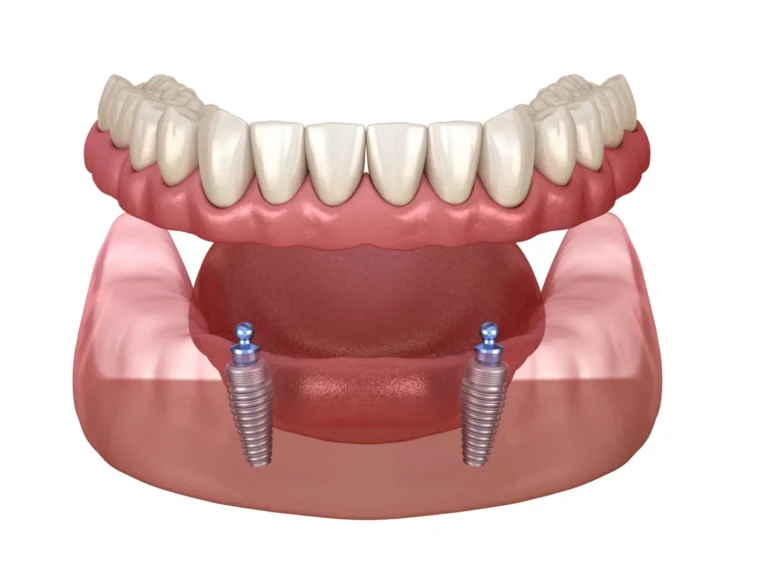
This treatment combines dental implants with a custom-made denture, helping to hold it securely in place while still allowing it to be removed for cleaning where appropriate.
Small titanium implant posts are carefully placed into the jawbone, where they integrate over time to provide a stable foundation. The denture then attaches to these implants, reducing movement and improving comfort when eating and speaking.
Implant-retained dentures may be recommended for patients seeking a more secure alternative to traditional dentures. Suitability will depend on your individual oral health, and your dentist will carry out a full assessment and discuss all available options with you before treatment.
Dental Implants
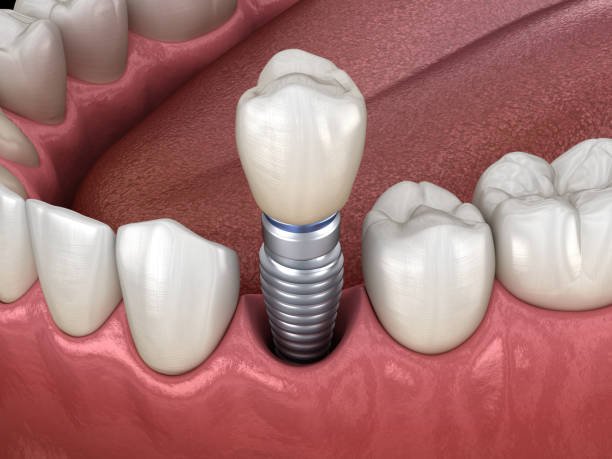
Implant treatment involves replacing the natural root of a tooth with a small titanium fixture, which is carefully placed into the jaw to support a crown, bridge, or denture.
At The Rectory Clinic, we use titanium implants due to their strength and biocompatibility. Over time, the implant integrates with the jawbone, helping to provide a stable and long-lasting foundation for replacement teeth.
We offer a range of implant solutions depending on your individual needs. A single implant can be used to replace one missing tooth without affecting neighbouring teeth. For multiple missing teeth, implants can support bridges, providing a fixed and secure alternative to removable options.
For patients who have lost most or all of their teeth, full-arch solutions, sometimes referred to as “teeth in a day”, may be an option. In suitable cases, this allows a temporary fixed set of teeth to be placed on the same day as implant placement, with a final restoration provided after a healing period.
Before any treatment, your dentist will carry out a thorough clinical assessment, which may include scans and imaging, to determine whether dental implants are suitable for you. All treatment options, along with the benefits and potential risks, will be discussed so you can make an informed decision about your care.
Low Sinus Position
When patients have lost teeth from the upper premolar or molar area of the jaw, where the sinuses are located, they may need to undergo a sinus lift prior to dental implant treatment.
When tooth loss occurs, the bone from that area of the mouth no longer receives regular stimulation and as a result, the bone can weaken and deteriorate. When this happens, it is normal for the sinuses to expand and drop, filling the area of space that was once filled with bone. Patients who have suffered bone degeneration, and those with low sinuses are ideal candidates for a sinus lift prior to dental implant treatment.
Lack of Bone
If there isn’t enough bone, it may not be possible to carry out the procedure without bone grafting. Bone grafts increase the amount of bone at the implant site. The bone graft material will be be attached to the deficient bone area, this material also may also contain growth factors from you own blood plasma that will encourage bone growth.
At The Rectory Clinic we can carry out minor bone grafting under local anaesthetic, and usually, during the placement of the dental Implant.
Cosmetic Dentistry
Teeth Whitening
As we age, our teeth naturally tend to darken in colour. At The Rectory Clinic, we can help turn back the years and restore the youthful appearance of bright, white teeth!
The most effective and long-lasting method is using a thin, transparent tray that holds a whitening gel in contact with your teeth. The active ingredient, hydrogen peroxide, gently penetrates the enamel to lighten and brighten your teeth safely. Whitening can be carried out on the upper teeth, lower teeth, or both jaws together, depending on your needs.
At your first appointment, impressions of your teeth are taken so our experienced dental technicians can create custom trays that fit perfectly. At your second appointment, the trays are checked for accuracy, and your dentist will show you how to apply the gel and position the trays over your teeth.
Some sensitivity may occur during treatment, but this is usually temporary and resolves once whitening is complete. During your consultation, your dentist will assess your suitability for whitening, as it may not be suitable for everyone, particularly those with very sensitive teeth. Existing porcelain restorations and heavily discoloured fillings will not change with whitening and may need to be replaced afterward to match your new shade.
For optimal results, your dentist may recommend a hygienist appointment prior to whitening to remove any plaque or calculus. Most patients see a significant improvement in the brightness of their smile.
In-chair whitening is also available for those looking for a faster treatment.
We will always recommend the most effective option to meet your individual needs.

Dental Veneers
Dental veneers enhance your smile by improving the shape, colour, and overall appearance of your teeth. These ultra-thin, custom-made shells are carefully crafted from high-quality porcelain and bonded to the front surface of the teeth to create a beautifully natural look.
At The Rectory Clinic, veneers are designed with a personalised approach, ensuring your new smile complements your facial features while maintaining a natural and balanced appearance. They are an ideal solution for correcting concerns such as discolouration, worn or chipped teeth, uneven shapes, and small gaps. Each veneer is expertly created by skilled dental technicians to match the colour, translucency, and texture of natural teeth, resulting in a seamless finish. The process typically involves careful planning, minimal preparation of the teeth, and precise placement to achieve long-lasting, aesthetic results.
Your dentist will guide you through every step of the process, ensuring your treatment is tailored to your individual goals and expectations. A consultation is essential to determine whether veneers are the most suitable option for your smile.
Composite Bonding
Composite bonding is a popular alternative to veneers for patients looking to improve the appearance of their teeth in a more conservative and minimally invasive way. Using a tooth-coloured resin material, the treatment is carefully applied, shaped, and polished to blend seamlessly with your natural teeth.
At The Rectory Clinic, composite bonding is tailored to each patient, allowing us to refine imperfections such as chips, gaps, uneven edges, and discolouration while preserving as much natural tooth structure as possible. It often requires little to no preparation of the teeth, making it a gentle yet highly effective option. The procedure is usually completed in a single appointment, providing immediate, natural-looking results with minimal disruption. Our focus is always on achieving a balanced, subtle enhancement that complements your smile.
Your dentist will assess your suitability and discuss your goals to ensure composite bonding is the most appropriate treatment for your needs.
Invisalign Treatment
Invisalign treatment straightens your teeth using a series of custom-made, clear aligners that gently and precisely move them into their ideal position. This advanced approach offers a discreet, comfortable, and convenient alternative to traditional braces, allowing you to transform your smile with confidence.
At The Rectory Clinic, Invisalign treatment is delivered with a personalised approach, ensuring every patient receives a carefully planned journey to achieve natural, beautifully aligned results. The aligners are virtually invisible and fully removable, making it easy to continue your normal routine, including eating, brushing, and flossing, without disruption.
Invisalign treatment addresses a range of orthodontic concerns, including crowded teeth, gaps, and certain bite issues. Each set of aligners is worn for approximately 1–2 weeks before progressing to the next stage, with regular reviews to monitor your progress and ensure everything is moving as planned.
Your dentist will create a tailored treatment plan designed to deliver precise and predictable results. A consultation is essential to assess your suitability, as not all cases are appropriate for Invisalign treatment.

Crowns
Dental crowns are placed over worn-down teeth and held in place with a specialist adhesive or cement.
They can be used as a protective cover for fractured teeth, or as a permanent restoration for teeth with large fillings.
These natural looking crowns are created by dental technicians and will be indistinguishable from your real teeth.
Bridges
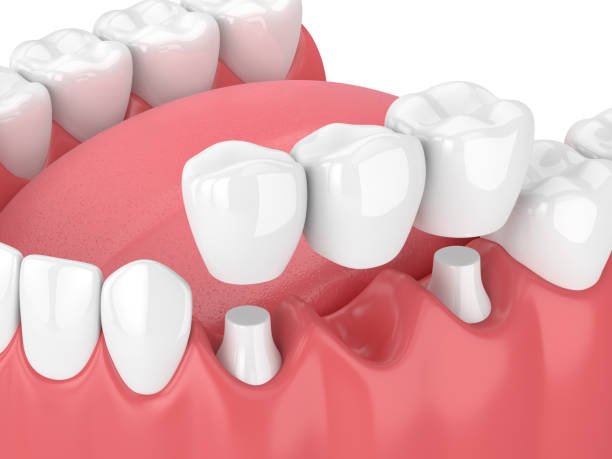
Dental bridges are made of durable crowns used to replace missing or damaged teeth.
A bridge fills the empty space left by a missing tooth and can be attached to the natural teeth either side of the space.
Dental crowns are placed over worn-down teeth and held in place with a specialist adhesive or cement.
They can be used as a protective cover for fractured teeth, or as a permanent restoration for teeth with large fillings.
These natural looking crowns are created by dental technicians and will be indistinguishable from your real teeth.
These are fitted between two existing teeth using crowns.
A Cantilever bridge uses porcelain fused to metal and is fixed to a tooth on one side of the space.
Maryland Bridge
Dental crowns are placed over worn-down teeth and held in place with a specialist adhesive or cement.
They can be used as a protective cover for fractured teeth, or as a permanent restoration for teeth with large fillings.
These natural looking crowns are created by dental technicians and will be indistinguishable from your real teeth.
Fixed Bridge
These are fitted between two existing teeth using crowns.
Cantilever Bridge
A Cantilever bridge uses porcelain fused to metal and is fixed to a tooth on one side of the space.
Dentures
Dentures are tailored specifically to you, ensuring a stable fit and allowing for excellent function.
These hard-wearing dentures are made from of a combination of acrylic resin and metal and are custom- designed to fit your mouth. Commonly referred to as false teeth, they help restore your ability to eat and speak effectively, while also improving function. Dentures can also enhance your appearance and boost your confidence.
No matter how many teeth need replacing, at The Rectory Clinic we have options for partial, complete, and implant-retained dentures.
A full denture will replace a full arch of missing teeth.
At The Rectory Clinic we offer two types of dentures, Immediate and Conventional. Following the removal of teeth an immediate denture can be fitted. Once in place, we will make the necessary adjustments to ensure your new dentures fits perfectly.
Conventional dentures are fitted shortly after you’ve had teeth removed. This allows for any soft tissue changes.
Partial dentures are used to replace several missing teeth, and conveniently clip around your existing teeth.
Although secure, the denture can be easily removed for thorough cleaning.
Full Denture
A full denture will replace a full arch of missing teeth.
At The Rectory Clinic we offer two types of dentures, Immediate and Conventional. Following the removal of teeth an immediate denture can be fitted. Once in place, we will make the necessary adjustments to ensure your new dentures fits perfectly.
Conventional dentures are fitted shortly after you’ve had teeth removed. This allows for any soft tissue changes.


Partial Denture
Partial dentures are used to replace several missing teeth, and conveniently clip around your existing teeth.
Although secure, the denture can be easily removed for thorough cleaning.
Advanced Care
Regenerative Dentistry with PRGF
Regenerative dentistry focuses on helping your body heal itself more effectively, using advanced biologically based treatments. One of the most powerful tools we use is PRGF (Plasma Rich in Growth Factors). This treatment is derived from a small sample of your own blood, which is processed to concentrate natural growth factors that promote faster healing and tissue regeneration.
In dentistry, PRGF is particularly valuable for procedures such as tooth extractions, dental implants, and bone grafting. By applying these growth factors directly to the treatment site, we can support quicker recovery, reduce inflammation, and improve the quality of both soft tissue and bone healing.
This approach not only enhances comfort after treatment but also helps create more predictable, long-lasting results, especially in complex procedures where optimal healing is essential.
Endodontics
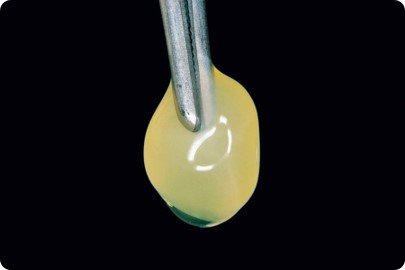
Endodontics is the correct term for root canal treatment, it is necessary when the pulp (blood and nerve supply of a tooth) becomes inflamed or infected as a result of decay or injury. If the pulp is damaged, it can cause pain, infection, and ultimately tooth loss.
To avoid losing the tooth, endodontic treatment is carried out to restore the tooth to normal function. However, removing the pulp can make the tooth more brittle, for this reason, we strongly recommend placing a crown on the treated tooth following endodontic treatment. A crown helps protect the tooth, reduces the risk of fracture, and ensures it continues to function effectively.
You may need endodontic treatment if you are experiencing any of the following symptoms:
- Pain when chewing or biting
- Discolouration of the tooth
- Facial swelling or tenderness
- Pain while consuming hot & cold food or fluids

Sedation
At The Rectory Clinic, we understand that many patients experience genuine anxiety when visiting the dentist, which can lead to high stress levels. Whether you have previously had discomfort during dental treatment or suffer from long-standing dental phobia, we want to ensure you feel comfortable and supported.
Our caring and experienced treatment coordinators are ready to discuss any concerns you may have in a relaxed and comfortable assessment suite. This complimentary visit allows you to ask questions and begin to feel confident about your treatment. If you decide to proceed with sedation, we offer a range of options tailored to your needs.
The type and level of sedation will depend on the procedure and its duration. Sedatives are carefully administered and monitored throughout your treatment by our trained team. You will remain conscious, relaxed, and able to communicate with us, while we carry out your procedure safely and comfortably.
After sedation, you will be able to leave the clinic and go home. For safety reasons, we recommend that you are accompanied by a family member. If you are receiving intravenous sedation your will need a chaperone for 24 hours.
There are medical conditions that may limit your choice of sedation. During your consultation we will discuss your health and any medical conditions to ensure we provide the right option for you.
Cone Beam Computed Tomography
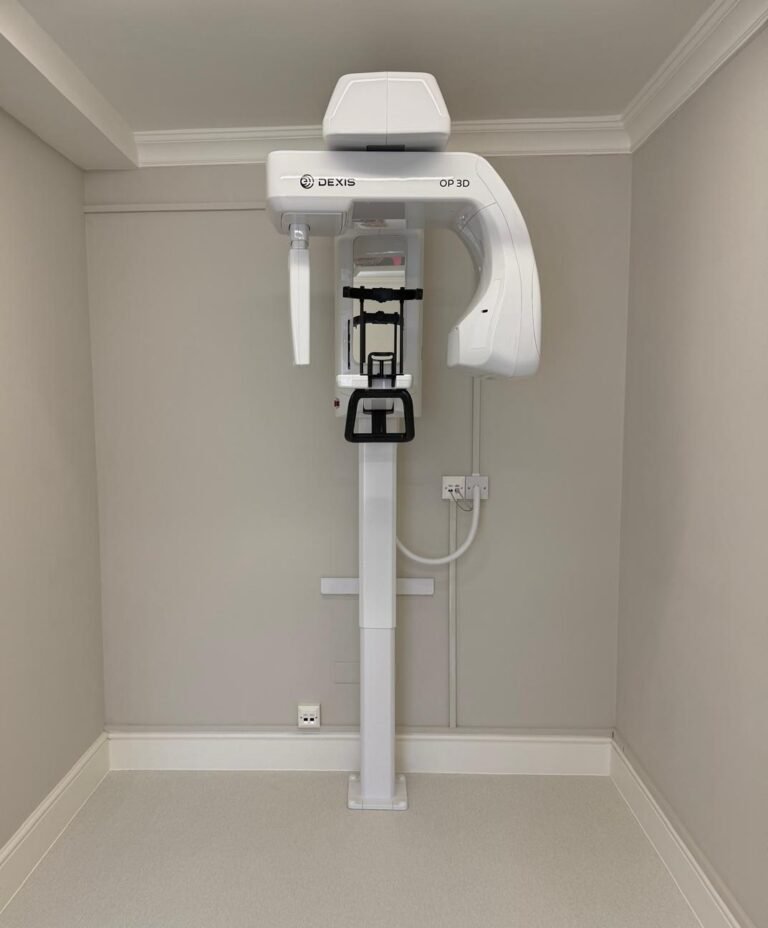
Before beginning certain treatments, we may recommend a CBCT (Cone Beam CT) scan to support accurate diagnosis and planning.
CBCT imaging provides detailed 3D views of the teeth, jaw, and surrounding structures, allowing for a more precise assessment than standard dental X-rays. This can be particularly helpful for treatments such as dental implants, oral surgery, and more complex cases.
At The Rectory Clinic, scans are carried out using modern equipment in a safe and controlled environment. We only recommend CBCT imaging where clinically appropriate, ensuring radiation exposure is kept as low as reasonably practicable.
We also accept referrals from other dental practices for CBCT scans, with imaging and reports provided to support ongoing patient care.
Emergency Dentistry
Emergencies
Your dental health is our priority, and we will always make every effort to see you as soon as possible. If you have an urgent dental issue outside of our normal working hours, please call 07359 448 100.
Not registered ?
If you are not currently registered with us, we will try our best to accommodate you during our normal working hours. Alternatively, for urgent advice or care, please call NHS 111.