Dental crowns provide an important restorative treatment that repairs, strengthens, and improves the appearance of teeth. Dentists often recommend them for posterior teeth, including the premolars and molars at the back of the mouth. These teeth chew and grind food, so they withstand the greatest biting forces. Crowns offer both aesthetic and protective benefits, helping patients maintain healthy, functional teeth for many years.
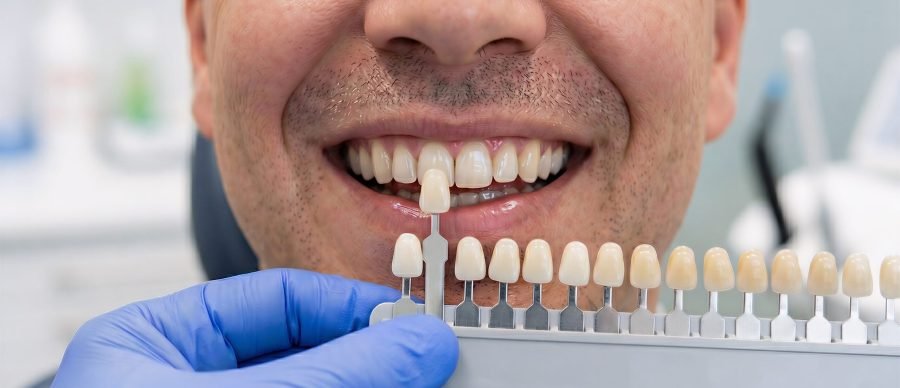
Crowns improve the appearance of damaged, discoloured, misshapen, or heavily restored teeth. Although posterior teeth remain less visible than front teeth, they still contribute to a healthy and attractive smile. Cracks, dark fillings, or severe decay in a molar can affect a patient’s confidence and overall oral appearance. Dental technicians create each crown to match the colour, size, and shape of the surrounding teeth. This process produces a pleasing and uniform result. Modern dental materials, particularly porcelain and ceramic, create natural-looking crowns that blend seamlessly with neighbouring teeth. Crowns can also restore the natural shape of teeth worn down by grinding or erosion. This can improve both appearance and bite alignment.
Crowns play an especially important protective role in posterior teeth because these teeth withstand considerable pressure during chewing. Extensive decay, a large filling, or root canal treatment can weaken the tooth and increase the risk of fracture. A crown covers and supports the entire tooth, holding it together and reducing the likelihood of further damage. Without this protection, chewing forces may crack or break a weakened posterior tooth and could eventually lead to extraction. Crowns also distribute biting forces evenly across the tooth, improving its strength and function.
Dentists often recommend posterior crowns after root canal treatment. Removing the nerve and blood supply can make the tooth more brittle over time. Molars and premolars perform much of the chewing, so a crown may provide essential protection in many cases. Crowns can also reduce excessive wear in patients who grind or clench their teeth, helping to preserve the remaining natural tooth structure.