Principle Dentist Dr Alfie Chan BDS DRDP (Restorative Dentistry) Dip.Implant Dent., Assoc.FCG Dent.

Providing Professional Dental Care Across Newbury & Surrounding Areas - For Dental Emergencies Please Call: 07359 448 100

Principle Dentist Dr Alfie Chan BDS DRDP (Restorative Dentistry) Dip.Implant Dent., Assoc.FCG Dent.

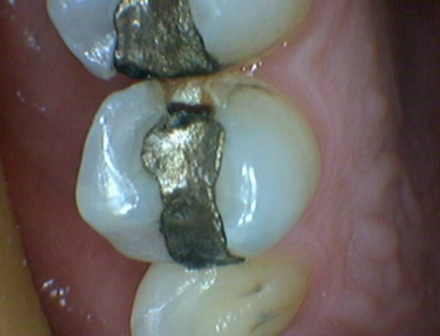
Broken amalgam filling with mercury in a premolar tooth
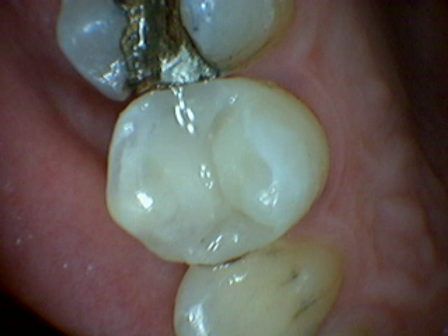
Premolar tooth repaired with white composite filling by Dr. Alfie Chan
Picture shows fractured metal filling containing 50% mercury
Same tooth repaired by Dr Alfie Chan with a composite white filling

At the Rectory Dental Clinic in Newbury, we provide some of the most advanced techniques in cosmetic white fillings to restore and enhance your smile naturally. Using high-quality tooth-coloured materials and modern dental technology, our experienced team carefully repairs damaged or decayed teeth while maintaining a seamless, natural appearance. Cosmetic white fillings are durable, discreet, and designed to blend perfectly with your existing teeth. We are committed to delivering comfortable treatment and beautiful, long-lasting results that improve both oral health and confidence.

White fillings have become an increasingly popular alternative to traditional amalgam (mercury) fillings, offering several important advantages for both dental health and appearance. Modern white fillings are made from advanced composite resin materials that are designed to restore teeth in a natural and aesthetically pleasing way, while also providing excellent durability and functionality.

One of the main advantages of white fillings is their natural appearance. Unlike amalgam (mercury) fillings, which are dark silver in colour and highly noticeable when speaking or smiling, white fillings are carefully matched to the natural shade of your teeth. This allows them to blend seamlessly with the surrounding tooth structure, creating a far more discreet and aesthetically pleasing result. Making them particularly popular for visible teeth at the front of the mouth, although they are equally suitable for back teeth. Patients often feel more confident about their smile when their dental work is virtually invisible.

White fillings also require less removal of healthy tooth structure compared to amalgam fillings. Composite materials bond directly to the tooth surface, allowing dentists to preserve more of the natural tooth during treatment. In contrast, amalgam (mercury) fillings often require additional drilling to create retention for the material. By conserving more healthy tooth tissue, white fillings can help maintain the overall strength and integrity of the tooth.

Another important benefit is that white fillings are mercury-free. Traditional amalgam fillings contain a mixture of metals, including 50% mercury, which has raised health concerns. Many patients prefer white fillings because they do not contain mercury or metal. This makes them a more modern and biocompatible choice for patients seeking metal-free dentistry.

White fillings are also less sensitive to temperature changes. Metal fillings can expand and contract over time when exposed to hot and cold foods or drinks, which may increase the risk of cracks or fractures in the tooth. Composite fillings are designed to flex more naturally with the tooth structure, helping to reduce this risk and improve long-term comfort.

Advances in dental materials and techniques mean that modern white fillings are now stronger and more durable than ever before. With good oral hygiene and regular dental care, they can provide long-lasting results while maintaining a natural appearance.

Overall, white fillings offer an excellent combination of aesthetics, strength, tooth preservation, and patient comfort. For many patients, they represent a modern, attractive, and effective solution for restoring teeth while maintaining a healthy, confident smile.

Regulations regarding the use of Amalgam (mercury fillings) in the UK

Since 1st July 2018, UK regulations have stated that dental amalgam should not be used for children under the age of 15, except when deemed strictly necessary by the dentist based on the patient’s specific medical needs.

The same restrictions also apply to pregnant and breastfeeding women, unless deemed essential by the dental professional.